When Selecting Temporary Power It Is Essential To Take The Following Into Consideration
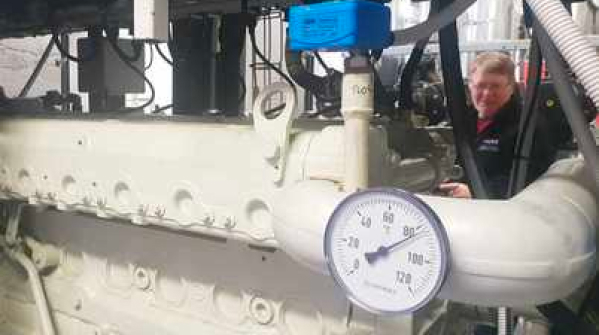
Looking for temporary power for building work, outdoor function, a disaster or an interim site? Deciding on the right power source isn't just about a power source that can generate electricity. The equipment should be appropriate to the power demand, environment in which the equipment is to be used, and duration of the needed use.
The first step is to: Determine your power needs.
Make a list of equipment which must be run concurrently before you come up with a plan to temporarily power. Various electrical appliances, such as lights, tools, pumps, and heating devices, have varying power requirements.
Consider normal running load as well as starting load. Certain equipment, especially motors and pumps, may require significantly higher power when operating. Knowing the total demand will help in choosing the right equipment when it comes to capacity.
A small petrol generator may be suitable, especially when portability is a factor, for smaller requirements. If your site or application needs more power, either a different type or size generator may be required.
Think about the length of time required.
The length of time you need the power effect can affect the best choice. A short event could have significantly different requirements to a construction project that lasts for several weeks.
Sometimes it may be practical to hire electric generator equipment instead of buying something that may not be in use for long. Hiring a generator can also offer flexibility if you experience varying power demands from one project to another.
When looking at longer-term requirements, think about the fuel consumption, maintenance requirements, operating conditions and how often the equipment will need maintenance.
Consider the setting. Take into account the setting.
Another factor to consider is the area where the generator will be used. Requirements may vary from outdoor and enclosed or restricted areas. Prior to installation, ventilation, weather exposure, noise and access and safe positioning should be taken into account.
Always follow the manufacturer's guidelines and relevant UK safety requirements when operating a generator. The storage of fuel and electrical connections should also be suitably addressed.
If there is an overall plan to reduce the use of conventional generation, then consider **energy storage** options for the site as well. Stored energy can be used to complement generation equipment, or it can be used as an additional means to manage the temporary electrical demand depending on the application.
Don't Ignore Maintenance
Even temporary power equipment must be properly maintained. Regular inspection and maintenance can aid in the detection of problems before they disrupt your work or event.
Follow the manufacturer's maintenance schedule for factors such as fuel, oil, connections, cooling and general equipment condition. For businesses that rely on backup or temporary generators, professional generator maintenance can also ensure that equipment is ready for use.
Plan for changing needs and requirements.
Not all power requirements are constant. As construction progresses, additional equipment may be added to the construction site, and, for events, the electrical requirements will vary when setting up and taking down the event.
So, you should have a consultation with a specialist when choosing equipment and talking about how you expect to use it. When considering temporary power requirements for various applications, companies like Power Control And Automations Solutions Ltd offer services related to generator hire, generator maintenance, and energy storage.
You can discover more about the available temporary power and generator solutions prior to deciding.
Make safety a part of the plan.
Temporary electrics are never a quick fit and fix solution. Sizing, installation, earthing, ventilation, fuel handling and electrical connections are all important.
The first step is to know what the job entails and not settle for the smallest or largest generator available. Taking into account the power demand, operating time, location, maintenance requirements and future needs will help you make a better decision and plan temporary power for the appropriate situation.


Comments
Post a Comment